Came with 13 month baby, people were super friendly and the food very tasty. Highly recommend.
Overview
If you ever find yourself wandering around Jalan Simpang Baru in Sekayu, right near the iconic Lawang Sewu area in Central Semarang, you’ll probably notice the steady flow of locals heading toward Soto Seger Lawang Sewu. Tucked in Jalan Simpang Baru Kel Sekayu Kec Semarang Tengah, Sekayu, Kec. Semarang Tengah, Kota Semarang, Jawa Tengah 50124, Indonesia, this spot has quietly built a reputation as one of the most reliable places to enjoy authentic Indonesian soto.
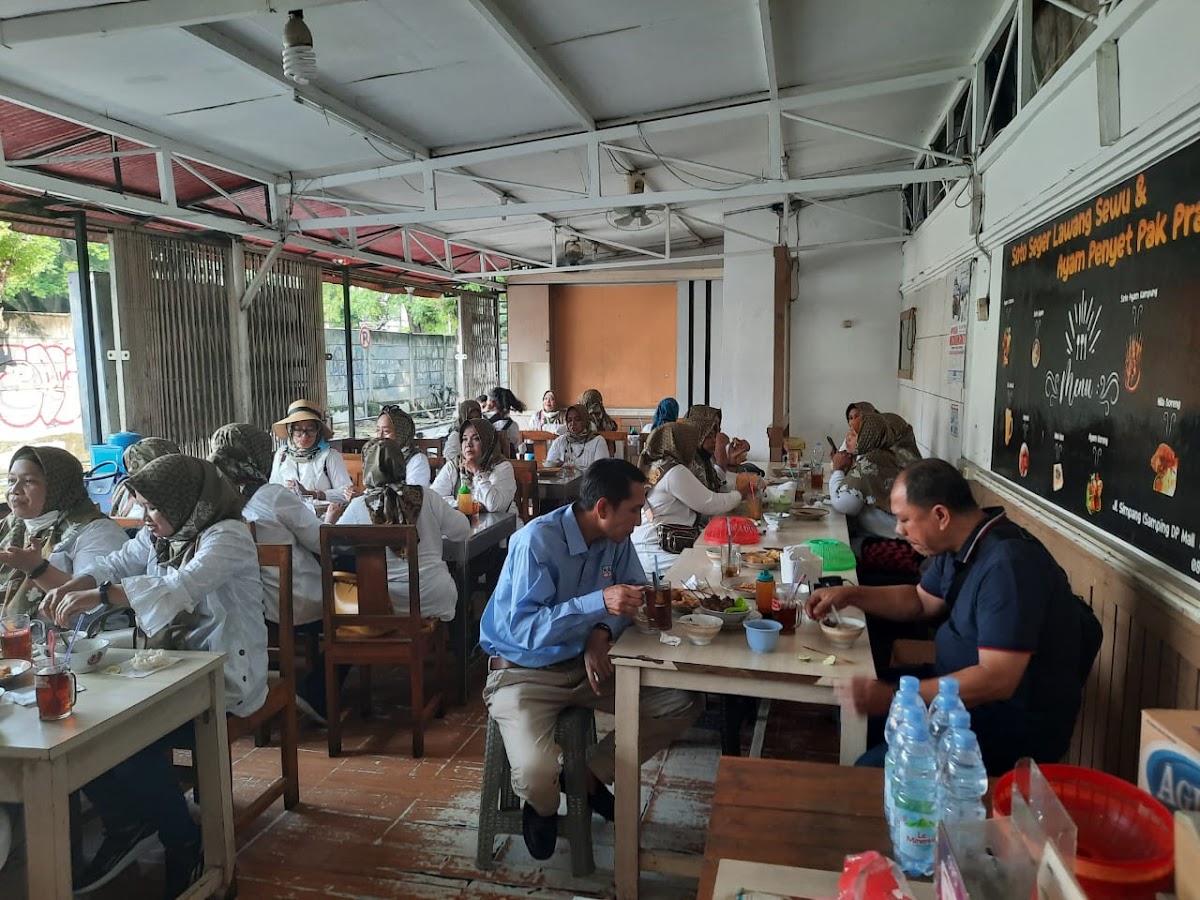
I first visited on a humid afternoon after exploring nearby historical landmarks. The dining space felt simple but lively, filled with families, office workers, and travelers. What struck me immediately was the aroma: turmeric, lemongrass, and slow-simmered chicken broth drifting from the kitchen. It wasn’t just inviting; it was comforting.
Soto, for those unfamiliar, is a traditional Indonesian soup, and according to Indonesia’s Ministry of Tourism and Creative Economy, it’s considered one of the country’s national dishes, with more than 75 documented regional variations. In Central Java alone, soto tends to feature a clear yet flavorful broth enriched with garlic, coriander, and candlenut. At Soto Seger Lawang Sewu, the broth is remarkably balanced-light but deeply savory. You can taste that it has been simmered for hours, extracting collagen and minerals from bones, a slow-cooking process that food science research shows enhances both flavor and nutritional content.
Their menu focuses on chicken soto, but don’t mistake simplicity for lack of variety. You can customize your bowl with rice, vermicelli noodles, shredded cabbage, and bean sprouts. A squeeze of lime and a spoonful of sambal elevate the flavors dramatically. I watched as the staff assembled each bowl methodically: ladling hot broth over freshly shredded chicken, adding crispy fried shallots, and finishing with chopped scallions. The process is efficient yet careful, ensuring consistency from one serving to the next.
One small detail that impressed me was the clarity of the soup. According to culinary training principles promoted by institutions like Le Cordon Bleu, maintaining a clear broth requires controlled simmering rather than aggressive boiling. That technical precision is evident here. The result is a bowl that looks as good as it tastes.
On a second visit, I brought along a friend who grew up in Semarang. She immediately commented that the flavor reminded her of home-cooked soto from family gatherings. That’s not a compliment given lightly. In her words, it had the familiar warmth that defines comfort food in Javanese households. We paired our bowls with tempeh and perkedel (Indonesian potato fritters), both freshly fried and lightly crisp.
Customer reviews around Semarang consistently praise the portion sizes and reasonable prices. From what I observed, turnover is quick but never rushed. Tables are cleaned promptly, and the staff moves with a rhythm that suggests long experience. Hygiene standards appear solid; ingredients are prepped in visible areas, and utensils are neatly organized. While I’m not privy to formal inspection reports, the practical cleanliness aligns with general food safety guidelines recommended by the World Health Organization.
There’s also something special about its location. Being near the historic Lawang Sewu building means you can easily combine a cultural visit with a satisfying meal. Tourists often search for authentic local cuisine within walking distance of major attractions, and this place fits that need perfectly. Unlike many tourist-heavy eateries, however, Soto Seger Lawang Sewu still feels grounded in everyday local life.
Flavor-wise, what keeps pulling people back is the equilibrium. The broth isn’t overly salty. The chicken remains tender. The sambal adds heat without overwhelming the dish. Nutritionally, a bowl offers a mix of protein, moderate carbohydrates, and fresh vegetables, making it lighter compared to fried street food options. While exact calorie counts aren’t publicly available, soto ayam generally ranges between 300-400 calories per serving depending on portion size, which makes it a satisfying yet not heavy meal.
If there’s one limitation, it’s that the focus remains tightly on soto and complementary side dishes. Those seeking a broad, multi-page menu might find the options limited. But honestly, that narrow focus is also the strength. Specialization often correlates with mastery.
In a city filled with warungs and eateries, this restaurant stands out not because it’s flashy, but because it delivers consistency, authenticity, and depth of flavor every single time. Whether you’re a first-time visitor in Semarang or someone who grew up on Indonesian soups, sitting down with a steaming bowl here feels like reconnecting with something genuine and time-honored.
Good to know
Service options
✓ Takeaway ✓ Dine-inPopular for
✓ LunchAccessibility
✓ Wheelchair-accessible car park ✓ Wheelchair-accessible entrance ✓ Wheelchair-accessible seatingOfferings
✓ Coffee ✓ Halal food ✓ Quick biteDining options
✓ Breakfast ✓ Lunch ✓ Table serviceAtmosphere
✓ Casual ✓ CosyCrowd
✓ GroupsPayments
✓ Cash onlyChildren
✓ Good for kidsPhotos
1 / 4
Location
Reviews
- No ratings yet 220 reviews
Kuah sotonya seger, sambelnya lmyn pedes, nila bakar ok, sate paru, kerang, dll lmyn. Tempatnya bersih, hanya sayang tempat parkir mobil tdk ada, hrs parkir diarea mall
Bismillah - Senin 26 Mei 2025 Sebenarnya saya sering lewat sini, tapi baru mampir karena sebelum2nya selalu mencari opsi tempat lain untuk makan. Overall lumayan, tidak menyesal mampir, meskipun juga warung ini belum cukup membuat saya untuk pengin datang lagi. Menu beragam, ada ayam goreng, bakar, lele, ikan goreng, soto ayam, sate2an. Saya pesan nasi ayam goreng. Nasinya pulen, enak, porsi sedang. Saya minta nambah nasi setengah. (Tapi diberinya sptnya 1 porsi, it's ok) Ayamnya enak, gurih, empuk, tidak terlalu berminyak. Sambel trasinya juga enak. Masnya ramah. Saya minta sabun di wastafel, minta sendok, minta tambah nasi, semuanya dilayani dengan cepat. Harga terjangkau. Nasi ayam goreng 20k, teh tawar 2k, nambah nasi 5k. Menerima pembayaran QRIS Disediakan mushola kecil meskipun hanya cukup untuk 1 Orang, tapi patut dihargai. Ada toilet. Ruangan cukup luas untuk ukuran warung di deretan pinggir DPmall. Bisa muat lebih dari 35 orang. Ada ruang kaca terpisah, mungkin dimaksudkan sbg non smoking area ? Tapi disini malah baunya kurang nyaman, jadi saya memilih ruang sebelah yg lbh terbuka. Saran : Tempatnya sebaiknya lebih bersih lagi. Kalau tempat bersih, pelanggan juga lebih yakin akan kebersihan makanannya. Mas masnya sebaiknya tampil lebih rapih dan bersih. Tidak harus pakaian mahal, tapi kebersihan dan kerapihan perlu untuk membuat pelanggan lebih yakin kalau makanannya pun juga bersih. Kalau pihak warung memperbaiki lagi kebersihannya, mungkin saya tertarik untuk datang lagi. Semoga menjadi masukan baik.